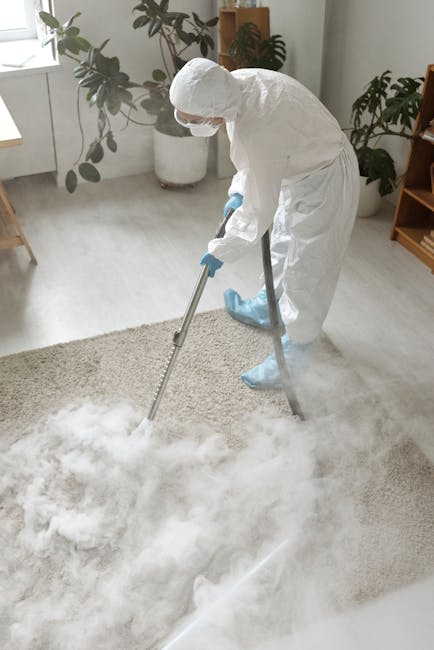
Carpet cleaning Croydon East Croydon station area: a practical guide for busy homes and workplaces
If you live, work, rent, or manage property around East Croydon station, you already know the pace of the area. People come and go all day, shoes bring in grit, carpets pick up spill marks, and the hallway somehow looks tired before you've even had a proper chance to deal with it. That is exactly why Carpet cleaning Croydon East Croydon station area is more than a nice-to-have. It helps keep a place looking cared for, smelling fresher, and feeling more comfortable underfoot.
This guide explains what professional carpet cleaning involves, when it makes sense, how the process works, what to avoid, and how to decide whether you need a quick refresh or a deeper treatment. If you are comparing options for a flat, family home, letting property, or office near the station, you will find the practical detail here without the fluff. And yes, carpets can look better than you think, even when they are starting from a pretty grim place.
Why carpet cleaning in the East Croydon station area matters
East Croydon station is a high-footfall part of the borough. That matters because carpet fibres hold onto the stuff you cannot always see at first glance: fine dust, outdoor grit, pollen, food crumbs, drink spills, pet hair, and the everyday build-up that makes fibres look flat and dull. Near a busy transport hub, you also tend to see more soiling at entrances, on stair runners, and along the natural walk lines through a property.
In practical terms, this means carpets around the station area often need more than the occasional vacuum. A proper clean helps remove embedded dirt that shortens carpet life and can make a room feel slightly stale. For landlords, it can support a better handover between tenancies. For office managers, it helps create a tidier first impression. For homeowners, it can be the difference between a room feeling lived-in and looking neglected. Small difference, big effect.
There is also a comfort angle. A freshly cleaned carpet is softer underfoot and usually lifts the feel of the whole space, especially in places with a lot of natural wear like hallways, reception areas, lounges, and bedrooms near busy corridors. If you have ever walked into a room after cleaning and noticed the air feels lighter, you know the feeling. Not magic. Just good maintenance.
Expert summary: Around East Croydon station, carpet cleaning is usually most valuable where foot traffic is constant, where properties are rented or shared, and where first impressions matter. The best results usually come from a method chosen for the carpet type, the level of soiling, and how quickly the room needs to be back in use.
How carpet cleaning works
Carpet cleaning is not just about spraying something on the floor and hoping for the best. A good process starts with inspection, then moves into fibre-safe treatment, soil removal, and controlled drying. The exact method depends on the carpet material, pile, age, and how dirty it is. Wool, synthetic blends, and delicate rugs all respond differently, and treating them the same way can cause problems. Bit of a rookie mistake, really.
In a typical professional clean, the carpet is first assessed for stains, wear areas, fibre type, and any pre-existing damage. Loose dirt is removed with thorough vacuuming. Spot treatments may be used on specific marks. Then a cleaning method is chosen, often hot water extraction for deep soil removal, low-moisture cleaning where faster drying is needed, or a tailored stain treatment for localised issues. After cleaning, the pile is groomed where appropriate to help the fibres dry evenly and look more uniform.
Drying matters more than many people realise. If a carpet is left damp for too long, you can end up with a lingering smell or uneven appearance. In a busy flat near East Croydon station, or an office where people are in and out all day, that can be inconvenient. A decent service will explain expected drying times honestly and advise on airflow, ventilation, and when it is safe to walk on the carpet again.
If the job involves more than carpets alone, it can be sensible to combine it with related cleaning work. For example, rented properties often benefit from a wider refresh that includes end of tenancy cleaning, while family homes may need a broader deep cleaning approach. For upholstered furniture that collects dust and odours too, upholstery cleaning can make a surprising difference.
Key benefits and practical advantages
Done properly, carpet cleaning gives you more than just a nicer-looking floor. Here are the benefits that tend to matter most in the East Croydon station area.
- Improved appearance: Heavily used carpets often brighten up quickly once the compacted dirt is lifted.
- Better smell: Everyday odours from shoes, pets, food, and general occupancy can be reduced.
- Longer carpet life: Grit trapped in fibres acts like sandpaper; removing it helps slow wear.
- More comfortable rooms: Clean fibres feel softer and can make the space feel properly cared for.
- Stronger first impressions: Useful for lettings, hospitality spaces, client-facing offices, and shared homes.
- Better upkeep routine: A cleaned carpet is usually easier to maintain with regular vacuuming afterwards.
There is another subtle advantage: cleaning can reveal the real condition of the carpet. That sounds odd, but it is useful. Once grime is removed, you can see whether there are permanent stains, flattening, or wear that needs attention. In other words, it helps you make informed decisions instead of guessing in bad light at 8 p.m. with a cup of tea in hand.
For businesses and landlords, consistency matters too. A clean carpet supports a cleaner overall environment and helps the space feel managed rather than patched together. If you are overseeing a workplace, combining carpet care with office cleaning or support from office cleaners can make maintenance more predictable. For homes, house cleaning or help from home cleaners can keep the rest of the property in step with the carpets.
Who this is for and when it makes sense
Not every carpet needs the same level of care, and not every property near East Croydon station needs immediate deep cleaning. Still, there are some clear signs that it is time.
Homeowners and tenants
If your hall carpet is looking grey along the main path, or if a living room has the usual mix of drink marks, pet traffic, and the occasional mystery stain, a professional clean is often worthwhile. Tenants may also want carpets cleaned before moving out, especially where the property is being handed back in a tidy condition. It is one of those tasks that feels minor until the final inspection suddenly makes it very visible.
Landlords and letting agents
Rental properties around the station often see frequent movement, suitcases rolling in, and a lot of everyday wear. Carpet cleaning can help prepare a property between occupancies, support a presentable standard, and reduce complaints from incoming tenants who quite reasonably do not want to move into a flat with obvious marks on the lounge floor.
Offices and commercial spaces
Office carpets near transport links face extra dirt from commuter traffic. Reception areas, meeting rooms, and corridors can all lose their crisp look quickly. If visitors see a grubby carpet before they even reach a desk, that is not ideal. A scheduled clean, often alongside a professional cleaning company, can keep things steadier.
Families with children or pets
Children spill things. Pets bring in bits of the outside world. Life happens, frankly. If your carpet is acting more like a catch-all than a feature, cleaning can reset the room and make daily upkeep much easier.
When does it make sense? Generally, when vacuuming no longer restores the look, when odours persist, when stains are becoming visible, or when you need a room to feel cleaner for guests, inspections, or workplace use. If the carpet is valuable or delicate, act sooner rather than later.
Step-by-step guidance
If you are planning carpet cleaning around East Croydon station, a simple structure helps. Here is a practical approach that works well in most real-world situations.
- Inspect the carpet properly. Look for stain types, wear patterns, loose seams, colour fading, and areas of heavy traffic.
- Check the fibre and backing. Wool, synthetic, and blended carpets behave differently. If you are unsure, do not guess.
- Vacuum thoroughly. Dry soil removal first is always smart. It stops loose grit from turning into muddy residue once moisture is introduced.
- Test stain treatment in a discreet spot. This reduces the chance of colour change or fibre damage.
- Choose the right cleaning method. Hot water extraction suits many carpets, while low-moisture methods may suit faster turnaround needs.
- Treat problem areas separately. Sticky spills, pet marks, and walkway grime usually need focused work.
- Rinse or neutralise if needed. Leftover detergent can attract dirt if it is not removed properly.
- Promote drying. Open windows if safe, use airflow, and avoid heavy traffic until the fibres are dry enough.
- Post-clean grooming. Brushing or lifting the pile can improve the finish, especially on plush carpets.
- Set a maintenance routine. Regular vacuuming and prompt spill treatment keep the result looking good for longer.
A helpful rule of thumb: if the room needs to be back in use the same day, say so early. Fast turnaround can influence the method chosen. That is where honest planning saves headaches later.
Expert tips for better results
There are a few simple things that make a noticeable difference, and they are not complicated. They just get overlooked.
- Vacuum slowly, not just quickly. Slow passes lift more dry soil than a hurried sweep.
- Deal with spills fast. The first few minutes matter far more than most people expect.
- Avoid over-wetting. Too much moisture can create drying problems and leave a carpet looking patchy.
- Match the product to the stain. Red wine, grease, mud, and pet accidents need different treatment. Same cleaner for everything? Usually not the best idea.
- Protect entrances. Mats at doors reduce the amount of grit that gets carried across the carpet in the first place.
- Plan around weather and occupancy. A damp, closed-up room in winter can dry more slowly than you would like.
- Use professional help for delicate fibres. A nice wool carpet deserves a more careful approach than a standard hallway runner.
One small but useful habit: take a quick photo of stained areas before cleaning. It helps you compare progress, spot recurring issues, and remember which area needs the most attention next time. Not glamorous, but it works.
If your property needs a wider reset, it can also be worth looking at support for one-off cleaning or more specialist services such as rug cleaning and sofa cleaning. Carpets and soft furnishings tend to age together, so it often makes sense to treat them as a pair.
Common mistakes to avoid
Let's face it, most carpet problems are made worse by small, avoidable mistakes. Nothing dramatic. Just repeated little errors.
- Scrubbing stains aggressively: This can spread the mark, damage the pile, or push the stain deeper.
- Using too much product: More cleaner does not mean cleaner carpet. It often means residue.
- Skipping dry vacuuming: Loose grit should be removed first, otherwise you are just mixing dirt with liquid.
- Cleaning without testing: Spot-test first, especially on older or colour-sensitive carpets.
- Ignoring drying time: Walking on a wet carpet too soon can flatten fibres and soil them again.
- Using the wrong heat level: Some fibres do not like high heat. A cautious approach is usually safer.
- Waiting until the carpet is badly worn: Maintenance is easier and cheaper than rescue work.
Another common mistake is assuming every stain is removable if you just keep trying harder. Sadly, some stains are permanent, or partly permanent, once they have set. That does not mean cleaning is pointless. It often still improves the carpet a lot. It just means realistic expectations matter.
Tools, resources and recommendations
The right tools make carpet cleaning more effective, but you do not need a mountain of equipment. A sensible set-up is usually enough.
- Quality vacuum cleaner: Strong suction and a brush head suited to carpet piles.
- Spot treatment products: Chosen for specific stain types rather than one universal solution.
- Microfibre cloths: Good for blotting without pushing liquid around.
- Carpet extraction or low-moisture equipment: Depending on the method selected.
- Air movement: Openable windows or safe ventilation to speed drying.
- Protective pads or covers: Useful where furniture needs to go back quickly.
For properties with broader cleaning needs, it is often efficient to combine carpet care with related tasks. If floors across the property need attention, hard floor cleaning may be part of the same visit. If you are dealing with recent renovation dust or plaster residue, after builders cleaning is often the more appropriate route. And for rooms with lots of glass and street-facing frontage, window cleaning can help the whole place feel brighter.
As for resources, the most useful one is a provider who can explain what they will do, how long it will take, what drying time to expect, and what happens if a stain does not shift completely. Transparency beats jargon every time.
Law, compliance, standards and best practice
For carpet cleaning in homes and workplaces, the main thing is to follow sensible UK health and safety practice and use appropriate methods for the job. That means managing slip risk during and after cleaning, using products responsibly, and being clear about access, drying, and any temporary restrictions on room use.
In commercial settings, especially offices and managed properties, it is wise to think about risk assessments, housekeeping, and communication with occupants. Wet floors can create slip hazards, cords and machinery need safe handling, and any cleaning work should fit around building access without causing disruption. None of that is exotic. It is just good practice, and it avoids the kind of awkward incident everyone remembers for the wrong reasons.
Where chemicals are used, correct dilution, safe storage, and attention to ventilation matter. Providers should be able to explain product use in plain English and answer questions about sensitive areas, pets, or occupied spaces. If you are comparing companies, a clear commitment to health and safety and insurance and safety is a strong trust signal.
On the customer side, it is also useful to know what you are agreeing to in terms of access, cancellations, rescheduling, and payment handling. Pages such as payment and security and terms and conditions help set expectations before anyone arrives with equipment and a timetable to keep.
Options, methods, and comparison table
Different carpets and different schedules call for different methods. There is no single correct answer. The right choice depends on soil level, fibre type, turnaround time, and whether the property is occupied.
| Method | Best for | Strengths | Things to watch |
|---|---|---|---|
| Hot water extraction | Deep cleaning of many domestic and commercial carpets | Strong soil removal, good for embedded dirt and general refresh | Needs sensible drying time and careful moisture control |
| Low-moisture cleaning | Busy properties, quicker turnaround, lighter soils | Faster drying, less disruption | May not suit heavy staining or very compacted soil |
| Spot and stain treatment | Specific spills or problem patches | Targets the issue directly, useful as a follow-up | Results depend on stain age and fibre sensitivity |
| Combined soft furnishing clean | Rooms where carpets, sofas, and rugs all need attention | More consistent overall finish | Needs more planning and space |
If your priorities are speed and convenience, a low-moisture option may be attractive. If your priority is the deepest possible refresh, hot water extraction is often the stronger choice. If you are not sure, ask for the rationale behind the method rather than just the method name. The explanation tells you a lot.
Case study or real-world example
Here is a realistic example. A two-bedroom flat near East Croydon station had a lounge carpet with visible footpath marking, a small coffee stain near the sofa, and a slightly stale smell after several months of regular use. The tenant had been careful enough, but the carpet simply reflected daily life: shoes, commuting traffic, and a fair bit of time spent indoors.
The clean began with a full vacuum and inspection. The coffee mark was treated first, then the traffic lane was cleaned more thoroughly than the rest of the room. After that, the carpet was extracted carefully and left with enough ventilation to dry properly. The result was not a brand-new carpet, because that would be a fantasy, but it did look noticeably brighter and felt fresher underfoot. The smell dropped too, which was the bit the occupant really noticed by late afternoon.
What made the difference was not some clever trick. It was choosing the right approach for a lived-in flat and giving the drying stage proper attention. That is usually where good carpet cleaning earns its keep. If the same flat had also been going back on the market, pairing the carpet work with end of tenancy cleaning would have been the sensible next step.
Practical checklist
Use this quick checklist before booking or carrying out carpet cleaning around East Croydon station.
- Identify the carpet type if possible.
- Note any stains, burns, loose threads, or worn areas.
- Decide whether you need a same-day or next-day turnaround.
- Move light furniture where safe to do so.
- Vacuum the area thoroughly first.
- Ask what method will be used and why.
- Check estimated drying time.
- Ask how stubborn stains will be handled.
- Confirm access, parking, and entry details in advance.
- Plan a ventilated period after cleaning.
- Keep shoes off the carpet until it is ready.
- Set a follow-up maintenance routine for vacuuming and spot care.
Quick reminder: a little preparation goes a long way. A clear room and a clear plan usually mean a better finish.
Conclusion
Carpet cleaning in the East Croydon station area is ultimately about more than appearance. It helps protect your flooring, supports a cleaner-feeling space, and makes busy homes and workplaces easier to live and work in. The key is choosing the right method, being realistic about stain removal, and planning for proper drying. That's the bit people sometimes forget, then wonder why the room still feels half-finished afterwards.
If you are weighing up whether to clean now or wait, a good rule is simple: if the carpet is starting to affect the way the room looks, smells, or feels, it is probably time. And if you need support with a broader property refresh, it can be sensible to explore related services such as carpet cleaning, domestic cleaning, or one-off cleaning as part of the same plan.
Get a free quote today and see how much you can save.
Sometimes the most reassuring thing is a space that simply feels looked after. A clean carpet does that quietly, and honestly, it makes a bigger difference than people expect.
Frequently Asked Questions
How often should carpets be cleaned near East Croydon station?
It depends on foot traffic, pets, children, and whether the property is residential or commercial. Busy hallways and office walkways usually need attention more often than low-use rooms. If vacuuming is no longer enough, that is the practical signal.
What is the best method for carpet cleaning in a busy flat?
For many busy flats, the choice is between deep cleaning and a quicker low-moisture method. If the carpet is heavily soiled, extraction may be better. If you need the room back quickly, a faster drying method may be the more sensible option.
Can carpet cleaning remove old stains?
Sometimes, yes. Sometimes only partly. It depends on the stain type, how long it has been there, and how the carpet fibre reacts. Old tea, coffee, and food stains can improve a lot, but some marks are permanent. Honest expectations help here.
How long does a carpet take to dry after cleaning?
Drying time varies by method, ventilation, carpet thickness, and weather. A well-planned job should come with a realistic drying estimate. Airflow helps, and so does avoiding heavy foot traffic too soon.
Is carpet cleaning worth it before moving out of a rental property?
Often, yes. A clean carpet can improve the overall impression of the property and reduce disputes over condition. If the rest of the home also needs attention, an end of tenancy cleaning service may be a sensible companion to the carpet work.
Will carpet cleaning damage wool carpets?
It can if the wrong method or product is used. Wool needs care, correct moisture control, and suitable cleaning chemistry. If you have a wool carpet, tell the cleaner early so the treatment can be adjusted properly.
What should I do before a carpet cleaner arrives?
Vacuum if you can, move smaller items out of the way, point out stains or fragile areas, and make sure access is clear. A few minutes of prep usually saves time later and helps the clean go more smoothly.
Are there any safety concerns during carpet cleaning?
The main concerns are slips, over-wetting, electrical safety, and chemical handling. A reputable provider should work carefully, explain drying times, and use suitable products. In occupied homes and offices, that calm, methodical approach matters a lot.
Can carpet cleaning help with odours?
Yes, especially where odours come from everyday soil, spills, pets, or trapped dust. It will not solve every smell instantly, but a proper clean often makes the space feel fresher quite quickly.
Should I clean carpets and rugs at the same time?
If they are in the same room and share the same level of use, that is often a good idea. It keeps the look consistent and saves you from cleaning one item while the other still looks tired. A matching room feels better, simple as that.
Do I need professional carpet cleaning or can I do it myself?
For light maintenance, regular vacuuming and careful spot treatment may be enough. For embedded dirt, persistent odours, or important spaces, professional cleaning is usually worth considering. The bigger the stain or the more valuable the carpet, the more sense professional help makes.
How do I choose a trustworthy cleaning provider?
Look for clear explanations, sensible safety practices, and transparent policies on payment, complaints, and service standards. A provider should be able to explain the plan in plain English, not hide behind jargon. That is usually a good sign.
Can carpet cleaning be combined with other services?
Yes, and that is often the smart move. Depending on the property, you might combine carpet work with upholstery cleaning, rug cleaning, office cleaning, or even after builders cleaning if the room has recently been renovated.