Deep Cleaning in Croydon

Deep Cleaning Croydon is focused on detailed domestic and commercial cleaning that reaches beyond routine upkeep. The service suits properties that need a more exacting reset, whether that means tackling accumulated dust, built-up grease, neglected edges or areas that are often missed during standard visits. Our approach is practical and methodical, with attention given to the surfaces, fixtures and touchpoints that most affect how clean a place feels day to day.
We work across a broad range of interiors, from homes and flats to shared spaces and workplaces, and we can tailor the scope to the rooms that need the most care. For customers comparing options, our deep cleaning service is structured to handle detailed tasks in a sensible order, while still allowing a clear focus on the areas that matter most to you. That makes it easier to choose a level of clean that is more than a quick tidy but does not become overcomplicated.
If you are arranging a one-off clean after a busy period, before guests arrive, or because certain rooms need more thorough attention, you can keep the request straightforward and ask for a quotation when you are ready.
What a deep clean usually covers
A well-planned deep clean normally starts with the surfaces people see first and then moves into the finer details that shape the result. That can include skirting boards, door frames, switches, accessible ledges, shelving edges, and the spaces around furniture where dust tends to settle. Kitchens and bathrooms often receive the most concentrated attention because they combine moisture, residue and frequent handling, so the process there is usually more detailed than in a general clean.
For many properties, the value lies in restoring order to places that have become difficult to keep on top of through regular tidying alone. A deep clean can be planned room by room, or around priority areas such as food-preparation spaces, washrooms, floors and upholstery. If you want to compare related options, one-off cleaning is useful when the need is occasional rather than recurring, while domestic cleaning supports more general upkeep in the home.
The work is often more effective when the brief is clear about what is included and what should be left alone. That might mean focusing on internal surfaces only, concentrating on certain rooms, or combining the main clean with specialist attention for items such as ovens, carpets or soft furnishings where needed.
Kitchen and bathroom detail
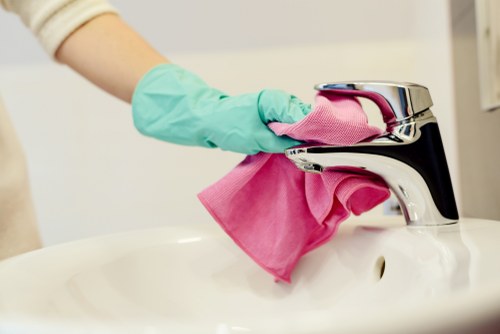
Kitchens and bathrooms demand a different style of cleaning because they collect different kinds of residue. In kitchens, the useful tasks are often degreasing, wiping splash zones, cleaning cupboard exteriors, refreshing appliance surfaces and dealing with areas around handles, trims and seals. Bathrooms may need limescale removal, sink and tap cleaning, attention to tiles and grout, and a careful finish around the toilet, shower screen or bath panels where grime is likely to settle.
Where the property includes built-in cooking equipment, an oven cleaning task can be folded into the wider plan if the appliance needs separate attention. For heavily used kitchens, that can make the room feel noticeably more finished than a surface clean alone. Likewise, if soft furnishings in living spaces have picked up marks or stale odours, sofa cleaning or upholstery cleaning may be relevant alongside the main service.
These rooms are often assessed for access, surface type and the level of build-up before the clean begins, because a delicate finish is just as important as a thorough one. That is especially true where materials such as chrome, glass, sealed stone, painted wood or textured tiles need the right products and technique.
Floors, fabrics and detailed finishes
Floors and fabric surfaces can transform the overall impression of a property, so they are usually worth discussing early in the booking stage. Hard floors may need mopping, spot treatment and care around edges, while carpets benefit from an approach that addresses traffic lanes, trapped dust and the appearance of the pile. Rugs and soft seating often require a separate method depending on the fibre, construction and level of soiling.
If floor treatment is a priority, hard floor cleaning supports surfaces such as vinyl, laminate, stone or sealed timber, while carpet cleaning is a natural follow-on for rooms where the fabric underfoot needs deeper treatment. A more targeted rug cleaning service may be appropriate where a piece needs care away from the rest of the room. The point is not to overload the visit with extra work, but to choose the most useful treatments for the materials actually present.
Detailed finishing also includes the smaller visible details: the edges behind radiators, under low furniture where possible, around plinths, and at the points where one surface meets another. These are the kinds of places that often determine whether a room looks refreshed in a genuinely complete way.
After builders and reset cleans

Some jobs begin with more than ordinary dust or routine wear. A property that has recently had maintenance or refurbishment may need an after builders clean that deals with fine dust, marks on surfaces and debris left in awkward corners. This type of work is usually more exacting than standard domestic cleaning because the residue can settle on trims, fittings, flooring and horizontal surfaces throughout the property.
Where that is the case, after builders cleaning can sit alongside a broader deep clean so that the home or workplace feels properly settled again. The work is usually best approached in stages: first removing loose material, then cleaning the detail areas, then finishing with floors, fixtures and visible contact points. That sequence helps the result look tidy without simply moving dust around.
Not every reset clean involves building work. Sometimes the need comes after a long gap in maintenance, a move, a change of use or a period when rooms have not been used consistently. In those situations, the same detailed approach still applies, but the priorities may shift toward surfaces, stored items, hidden ledges and anything that has not been addressed for some time.
Choosing the right level of cleaning
Not every property needs the same depth of work. A smaller flat with mainly hard surfaces may need different attention from a family house with carpets, soft furnishings and several bathrooms. The right plan depends on the condition of the rooms, the materials involved and whether you are looking for a tidy refresh or a more intensive clean that covers the awkward places as well. The service can be shaped around those differences without turning into something unnecessarily complicated.
If you are weighing up options, house cleaning is useful when the main aim is regular domestic upkeep, while end-of-tenancy cleaning may be more appropriate where a move is involved and a fuller reset is needed before handover. For properties that need more consistent support, cleaners and home cleaners pages can help clarify the kind of ongoing arrangement available alongside the deeper, one-off work.
Practical scope matters because it keeps the job focused. A good brief makes it easier to identify priority rooms, sensitive materials, and any items that should not be moved or touched. That keeps expectations realistic and helps ensure the quoted work reflects the actual condition of the property.
Preparing a clear quotation request
When you contact us for a quotation, it helps to describe the property type, the rooms involved and the level of attention you want. If there are particular issues such as grease build-up, pet hair, stained flooring or marks left by decorating work, mention those clearly so the scope can be considered properly. A short, accurate description is often more useful than a long list of assumptions, because it allows the service to be matched to the job in front of you.
For a more formal comparison of service levels or payment-related information, you can review pricing and quotes alongside the main cleaning pages. Where the request includes specialist items, it is sensible to note them in the same enquiry rather than adding them later, as that keeps the quotation aligned with the actual work needed. Please ask for a quotation when you are ready.
The more clearly the spaces are described, the easier it becomes to suggest the right type of visit. If the clean is intended for a specific date, a turnaround after decorating, or a one-off reset before regular maintenance begins, that context can also be useful when discussing the scope.
Soft furnishings, upholstery and interior surfaces

Soft furnishings deserve special attention because they absorb everyday use differently from hard surfaces. Upholstered chairs, sofas and other fabric-covered items can gather dust, marks and odours that do not shift with ordinary surface wiping. A planned clean can help refresh the appearance of these items, but the method has to suit the textile, the construction and the condition of the piece. That is why specialist fabric care is usually best treated as a separate part of the plan rather than an afterthought.
Where needed, carpet cleaner and carpets cleaner pages may be helpful if you want to understand the direction of carpet-focused work before combining it with a wider clean. For seating and similar items, sofa cleaning and upholstery cleaning can be paired with the main service when fabrics need more than a general dusting. This gives the property a more balanced finish across both hard and soft surfaces.
Interior surfaces also include the smaller, easy-to-miss features that make rooms look complete: shelves, display units, cupboard faces, and ledges around windows or fixtures. When these details are handled properly, the property feels less like it has been tidied and more like it has been genuinely refreshed.
About Croydon
Croydon is a large town in South London with a long history as a market settlement and later as an important transport and commercial centre. It developed around the line of the River Wandle and the historic routes connecting London with the south coast, which helped shape its growth over many centuries. The town centre combines older buildings with substantial post-war and late twentieth-century redevelopment, so streets can shift quickly from historic fragments to modern retail and office fabric. Croydon has also been notable for its civic and cultural institutions, including the borough’s museum and library traditions, as well as the strong presence of shopping and office districts that define its modern character.
Commercial and residential spaces
Croydon includes a wide mix of housing and workspace, from suburban streets and apartment blocks to business premises and managed buildings. That variety is visible in districts such as central Croydon, South Croydon and the surrounding neighbourhoods, each with its own pace and building style. Some areas have Victorian and Edwardian terraces, while others contain modern flats, retail frontages and converted commercial units. The contrast between older residential streets and newer high-rise development gives the area a layered look that is typical of inner and outer South London where expansion happened in several waves.
For properties of this kind, our office cleaning and office cleaners pages are relevant where workplaces need attention in reception areas, desks, communal kitchens or washrooms. The same core attention to detail that suits a home also matters in business settings, although the practical priorities may differ depending on footfall, shared use and the type of flooring or furnishings present. If you are comparing general cleaning support for different settings, it can be useful to look at those categories separately before deciding what to request.
Whatever the property type, the aim is to match the level of cleaning to the condition of the space rather than over-specifying the job. A thoughtful brief helps concentrate effort where the results will be most visible and most useful.
One-off visits and regular maintenance

Some customers only need detailed work now and then, while others want a more predictable pattern of upkeep. A one-off visit can be enough after a period of neglect, before a special occasion or when a room set needs extra attention. Regular maintenance, on the other hand, is better for keeping the overall standard stable once the deepest areas have already been brought back under control. Both approaches have a place, and the right choice depends on how much cleaning the property can sustain between visits.
The distinction is worth making because a deep clean is often most effective when it gives the property a strong starting point. After that, routine support such as cleaning company services or cleaner support can help preserve the result without needing the same level of detail every time. That is especially helpful in homes with busy schedules or in workspaces where appearance has to remain presentable throughout the week.
If you want to discuss a detailed clean in Croydon, keep the request focused, mention the main areas of concern and ask for a quotation when convenient. The best starting point is usually a clear outline of the rooms and surfaces you want covered, followed by any specialist items that may need separate attention.
Further service options
Some properties benefit from combining the main deep clean with other targeted services, particularly where a room contains specialist surfaces or a noticeably different type of dirt. A windowed front room may need cleaner glass and tracks; an entrance hall may need floor care; a kitchen may need appliance attention; and a lounge with soft seating may benefit from fabric treatment. Bringing those elements together can produce a more coherent finish than treating each one in isolation, provided the scope remains sensible.
Additional pages such as window cleaning, oven cleaner, facade cleaning and house clearance cover other useful tasks that may sit outside a standard deep clean but still connect to the same broader property-care needs. In practice, the decision is about priority: what must be handled as part of the main visit, and what should be booked separately so the result stays clear and manageable.
That way, the service remains focused on the most useful work rather than becoming a bundle of unrelated tasks. If you would like to build a more tailored scope, the usual next step is simply to outline the areas that need detailed attention and request a quotation.